
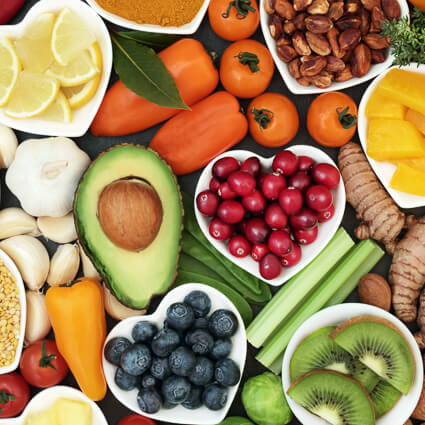
 If you’ve been in the office this week, you may have heard us mention that March is National Nutrition Month. The theme this year is, “The Power of Nutrition.”
Food is the fuel that keeps us going, that keeps us living, and thriving. It is important to fuel ourselves with good nutrition so our bodies can function optimally in order to carry out everything that God has for us to do.
I know life is very busy and it’s not always convenient to consume quality nutrition, but as we continue through the month of March I want to challenge you to make 5 changes in your eating habits.
Let’s break them down!
1. Start off with protein in the morning
When you think about a standard American breakfast, what comes to mind? Usually, we think of pancakes, cereal, pop-tarts, waffles, biscuits, eggs, bacon, sausage, juice, fruit, etc. Most of these foods are high in carbohydrates (foods that break down into sugar in the body). Yes, they taste good and are easy to get down in the morning, however, they provide only a quick burst of energy followed by a drastic drop in energy. What’s going on behind the scenes is that carbohydrates break down quickly and the sugar absorbs into the bloodstream. This makes your blood sugar levels rise very quickly, but if there is no protein, blood sugar levels come down very quickly, which causes the drop in energy.
You want to start off your morning with protein to stabilize blood sugar, which gives you more energy throughout the day, helps to balance hormones, and repairs tissues, muscles, and ligaments.
Grams to aim for: You want to aim for about 20-30g of protein for breakfast.
Good morning sources of protein: Cottage cheese (full fat), eggs (about 6g of protein per egg), chia seeds, full fat Greek yogurt, collagen powder for smoothies, and cuts of meat (chicken, beef, lamb, etc.).
2. Hydrate!
Hydration is important for maintaining body temperature, regulating blood pressure, keeping things moving in the digestive tract, and improving energy levels.
It is important to drink water throughout the day for optimal hydration. You can add lemon, lime, fruit, and/or mint to your water to add some flavoring. Also, if you are going to the bathroom all the time when you are drinking water, it’s a key sign that you need some electrolytes. Electrolytes help hydration get into the cells. There are many brands of electrolytes out there, but most of them have sugars and additives. The brand that I recommend is AthLytes or you can make your own (1/2 cup lemon water, 1/4 tsp. Himalayan salt, and 1/4 tsp. cream of tartar).
I know juice, soda, Gatorade, lemonade, sweetened coffee, and sweet tea are much more appealing than water, but just like carbohydrate foods, they mess with your blood sugar levels and we want to keep them as steady as possible.
3. Make half of your plate vegetables twice per day
Vegetables can be a turnoff for most people and it often feels like a chore to get them down. While they aren’t considered the most fun food in America, they are necessary for having a healthy life. Vegetables provide essential vitamins, minerals, and fiber that keep our gut microbiome healthy, our cells well equipped for the days ahead, and reduce the risk of developing chronic diseases.
Get creative with vegetables and mix it up. Make a tasty salad, try out new seasonings for flavor, roast your veggies instead of steaming them, or sauté them in a delicious stir fry.
4. Reduce your consumption of added sugars
In the Standard American Diet (SAD), we have an overwhelming amount of added sugar. Sugar is added to condiments, drinks, yogurt, breads, chips, pre-made foods, packaged foods, etc. In this month’s challenge, it is time to lower the consumption of added sugar since added sugar contains virtually no nutritious substances and it is a quick empty calorie.
But how do you lessen the intake of added sugars when it is present everywhere? Focus on eating more whole foods, shop mostly around the perimeter of the store, check food labels for added sugar, and pick brands that don’t add sugar to their product.
5. Prioritize cooking at home
Preparing meals at home is the best way to manage what is going in your food and is more cost-effective. With busy lives, it can be challenging to find the time to meal prep. If you’re not well versed in cooking, it can also be overwhelming to pick out what to eat during the week.
Here is a recipe website made by dietitians that have all kinds of healthy options. They have meal prep recipes, freezer-friendly meals, and specialty recipes for certain dietary preferences. The link to their website: https://therealfooddietitians.com/
Let’s Get To It!
I know that was a lot of information we covered and if you’re just starting out down the health journey, these 5 tips may be overwhelming. If it is, start small and gradually work toward these. Remember, healthy living is a journey. It’s a marathon, not a sprint.
Start by making changes today. Stay consistent and see how your body thrives.
CONTACT US
Sincerely,
Amber – Your Local Registered Dietitian